



Key takeaways
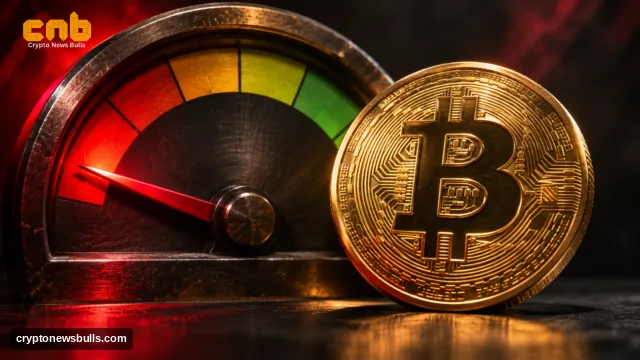
- CoinMarketCap’s Crypto Fear and Greed Index registered a score of 9 out of 100 on Saturday, marking what is reportedly its 16th consecutive day in extreme fear.
- Last week, Bitcoin neared $55,000 briefly, touching a two-year low.
- Because extreme fear stems partly from falling asset values, it serves as an unreliable buy signal on its own.
- Alternative.me’s index remained in extreme fear for 35 days back in March, even as BTC climbed back past $72,000.
- Metrics such as Monday’s ETF flows, exchange activity, and futures positioning offer better indicators of a genuine market bottom than the fear score.
The cryptocurrency market has logged 16 straight days of extreme fear, with Saturday’s update from the CoinMarketCap Crypto Fear and Greed Index falling to a reading of just 9 out of 100.
For anyone who has watched Bitcoin breach price thresholds that previously appeared to be solid supports over the last several weeks, this latest sentiment score comes as little surprise.
Bitcoin dipped close to $55,000 last week to reach a two-year low, reigniting discussions over whether the ongoing Bitcoin crash might finally be hitting its floor.
The rationale for purchasing during such phases is well-worn: when widespread panic takes hold, asset prices are supposedly bargains.
Unfortunately, financial markets rarely reward participants merely for taking a contrarian stance.
Bitcoin Fear And Greed: What Extreme Fear Actually Tells Us
The Crypto Fear and Greed Index synthesizes five distinct market metrics: price momentum, projected volatility, options market positioning, market composition, and overall investor engagement.
Certain components warrant closer examination than the headline index value itself.
For instance, the put-to-call ratio reveals the extent of hedging against downward price movements. Expected volatility measures the magnitude of price shifts anticipated by options traders. Concurrently, weakening price momentum can depress sentiment scores even if investors’ long-term views on Bitcoin remain unchanged.
An index level of 9 does not automatically signal irrational pessimism; it may simply reflect legitimate grounds for investor caution.
Relying on extreme fear as a standalone buy indicator also presents a circular problem, given that declining asset prices directly drive down the sentiment metric.
Using that specific reading to deduce that Bitcoin is undervalued risks drawing two separate conclusions from one and the same market phenomenon.
Bitcoin Has Been Here Before, And Fear Did Not Disappear Overnight
The market endured an even more extended period of negative sentiment earlier this year.
On March 5, Bitcoinist reported that the Alternative.me Bitcoin Fear and Greed Index had stayed in extreme fear for 35 consecutive days, despite BTC having bounced back past $72,000.
Because CoinMarketCap and Alternative.me rely on distinct methodologies, their figures should not be viewed as interchangeable. Nevertheless, that historical episode underscores an important lesson: Bitcoin can stage a price recovery without requiring an immediate shift to investor optimism.
Conversely, a market rebound offers no guarantee that overall confidence will bounce back immediately.
This dynamic highlights why it is crucial to differentiate between a temporary relief rally and a lasting market bottom.
When a market is heavily shorted, it can experience aggressive upward corrections as bearish traders rush to close out their positions. Such buying activity can lift Bitcoin’s price higher without necessarily drawing in fresh investment capital.
Sustaining a true recovery demands buyers willing to absorb the ongoing supply hitting the exchange ecosystem beyond the initial wave of short covering.
The sentiment index alone cannot determine whether those buyers have entered the market.
Is The Bitcoin Crash Creating A Real Buying Opportunity?
The bullish perspective holds weight: lower asset valuations can strengthen the long-term risk-reward profile for participants who maintain conviction in Bitcoin’s foundational thesis.
Even so, finding an appealing entry price is very different from successfully identifying the ultimate market low.
With traditional financial exchanges closed over the weekend, the upcoming Monday trading sessions will offer a clearer window into institutional demand via spot Bitcoin ETF fund flows. Monitoring exchange volumes and futures positioning will also help clarify whether any upward movement is powered by new money or merely the unwinding of legacy positions.
These fundamental developments deserve far more attention than whether the fear gauge edges upward from 9 to 15.
Purchasing assets while others panic can prove profitable, but purchasing solely because others are panicking hardly constitutes a coherent investment strategy.
While the cryptocurrency market may be nearing an attractive window for accumulation, extreme fear by itself does not provide enough confirmation to declare the Bitcoin crash over.

Written by

 Yuki Yamamoto